Waste is one of the biggest environmental challenges facing the world today. With global waste generation estimated at 2.56 billion tonnes in 2022, the amount projected for 2030 (World Bank Group), effective waste management has become essential to protecting both our environment and public health.
In South Africa, the challenge is particularly significant. Many landfill sites are nearing capacity, while inadequate waste infrastructure in some urban and rural areas has led to increasing pollution and environmental degradation. Poor waste management affects natural resources, public health, and the quality of life in our communities. Conversely, well-managed waste systems contribute to cleaner environments and a more sustainable future.
WHY WASTE MANAGEMENT MATTERS
Waste comes in many forms, including organic, recyclable, liquid, solid, and hazardous waste. Managing these waste streams effectively involves collecting, transporting, treating, recycling, and disposing of waste in ways that minimise risks to people and the environment.
Strong policies and regulations are fundamental to successful waste management. Clear recycling guidelines, accurate product labelling, robust enforcement measures, and compliance with Extended Producer Responsibility (EPR) legislation all play a critical role in driving positive environmental outcomes.
THE CHALLENGES WE FACE
South Africa continues to face several waste management obstacles, including limited recycling facilities, contamination of recyclable materials, inadequate municipal waste systems, and shrinking landfill capacity. Recyclable materials are often lost to landfill, reducing opportunities for resource recovery and reuse.
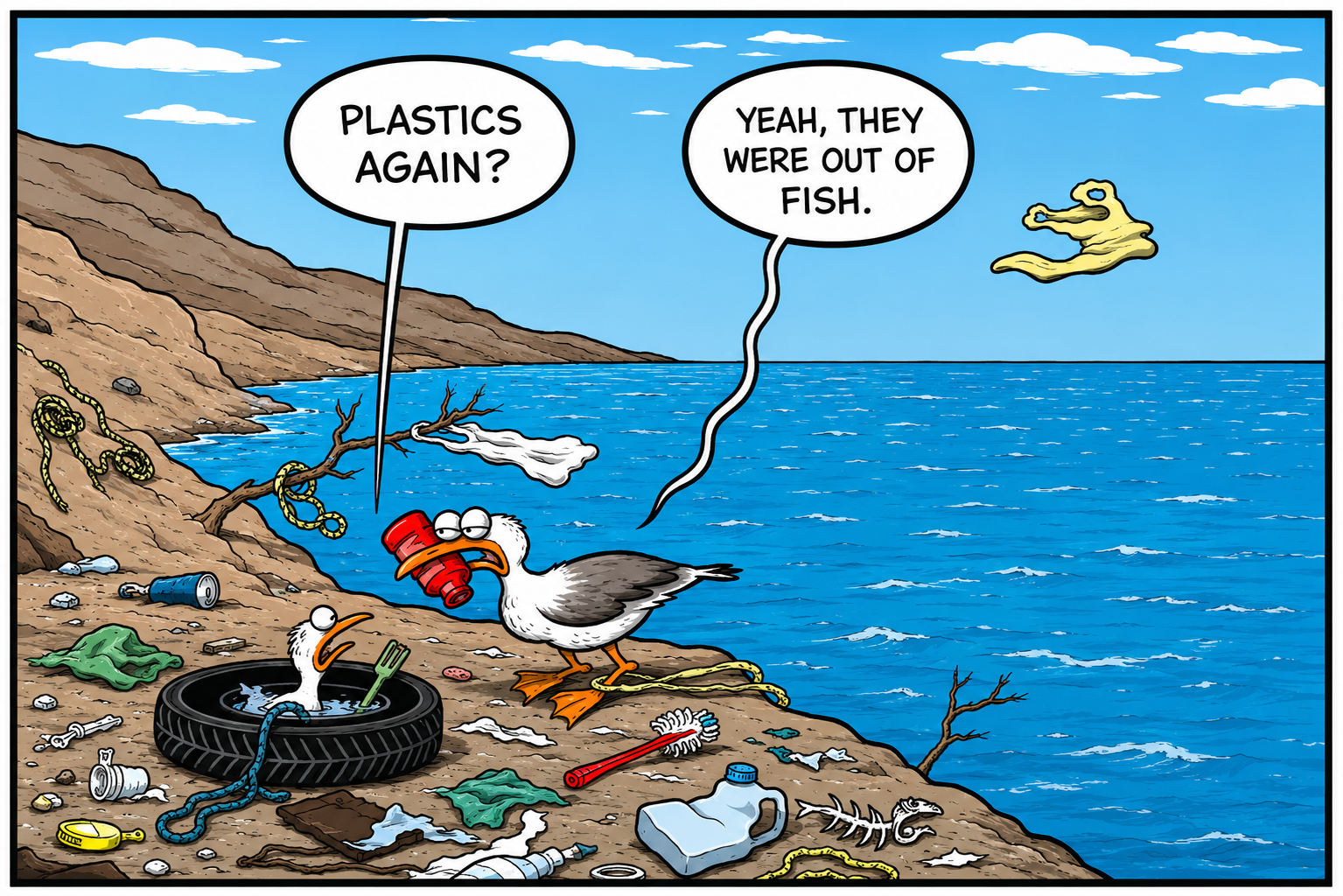
The environmental consequences can be severe. Poorly managed waste sites can contaminate soil and groundwater, contribute to greenhouse gas emissions through methane release, and threaten wildlife through plastic pollution. Valuable materials that could have been recycled are also permanently lost when sent to landfill.

SMALL CHANGES, BIG IMPACT
Effective waste management starts with simple actions. Separating recyclable materials from general waste at source, composting food and garden waste, and actively participating in recycling programmes can significantly reduce the amount of waste sent to landfill.
Consumers can further support environmental sustainability by choosing products packaged in recyclable, biodegradable, or compostable materials and following clear disposal instructions provided on packaging. Education and awareness remain key to encouraging responsible consumption habits.
THE ROLE OF BUSINESS
Businesses have a vital role to play in improving waste management outcomes. Implementing source-separation systems, providing clearly labelled recycling bins, and partnering with reputable waste and recycling service providers are practical steps that can make a meaningful difference. These initiatives not only benefit the environment but also contribute to cleaner, safer, and more efficient workplaces. Effective waste management can also help reduce a company’s carbon footprint, ensure compliance with environmental legislation, and strengthen trust with customers and stakeholders.

EMBRACING A CIRCULAR ECONOMY
A circular economy views waste not as a problem, but as a resource. Instead of the traditional linear economic approach, materials are kept in use for as long as possible through recycling, reuse, and repurposing. This model reduces landfill dependence, conserves raw materials, and creates a more resilient and sustainable economy.
Initiatives such as South Africa’s Plastic Reboot Project (Packaging Insights 22 Sept 2025, Feb 2026) are helping to drive this transition by promoting sustainable alternatives, encouraging recyclability, and supporting innovation throughout the packaging value chain.
RIALTO’S COMMITMENT TO SUSTAINABLE PACKAGING
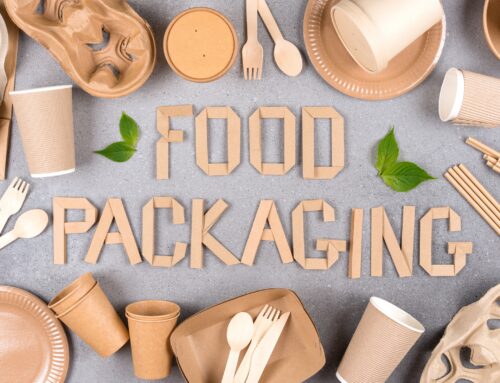
At Rialto Food and Packaging, sustainability is embedded in our approach to packaging. Our environmentally conscious product range includes bagasse food containers, wrapped paper straws, wooden cutlery, selected paper coffee cups, and recyclable plastic cups and lids. Through our commitment to circular economy principles and active participation in relevant Producer Responsibility Organisations (PROs), we continue to support packaging solutions that balance environmental responsibility with functionality and performance.
LOOKING AHEAD
Waste should not simply be viewed as something to throw away. When managed responsibly, it becomes a valuable resource that can create jobs, conserve natural resources, generate energy, and contribute to a more sustainable future. By working together, businesses, consumers, and government can help build cleaner communities and a healthier planet for future generations.